community
Family Community Volunteering
Posted April 19th, 2012 by Gena RotsteinGuest blogger – Karine Aviv
A couple of Sundays ago, I took my two older girls (ages 8 and 11) to a community volunteering event (J-Serve), at our local Jewish Centre. As a mother of 3, I believe that getting my kids involved in community events is important for a number of reasons. As they grow and develop, being involved in a larger community teaches them about social responsibility. As a parent, I want them to learn not to focus only on themselves but rather to learn that there is a whole world around them. I want my daughters to learn to be giving, considerate and compassionate towards others. Volunteering is important for character building in children. They learn to care for other people and learn that selfless actions feel good.
- Gena Rotstein's blog
- Add new comment
In Memory of Harley Hotchkiss
Posted June 22nd, 2011 by Gena RotsteinI sat down with Mr. Hotchkiss 3 years ago and interviewed him about his philanthropy. I am re-posting the blog post here today in memory of an extraordinary man who was a committed member of Calgary's community as well as an integral part of Canada's fabric. Read more »
- Gena Rotstein's blog
- Add new comment
4 Questions
Posted September 20th, 2010 by Gena RotsteinThis past weekend was Yom Kippur, the Day of Atonement. Jews around the world were fasting and asking each other and God for forgiveness of their sins. Read more »
- Gena Rotstein's blog
- Add new comment
SJM: Social Justice Mommy
Posted December 21st, 2009 by Gena Rotstein- behaviour
- community
- education
- Heather Setka
- mom
- motherhood
- parent-child relationships
- single mom
- Social Justice
I recently read an opinion piece in a trendy, hipster (more than a little elitist) publication about how irresponsible it is to have children. The article made an excellent case for the ecological havoc that children wreak on the environment. Babies bring diapers, cribs, bottles and a whole slew of other crap when they come into this world. Read more »
- Gena Rotstein's blog
- Add new comment
Charity Navigator - Top 10 Tips for Effective Giving
Posted August 27th, 2009 by Gena RotsteinIn a recent blog post, Charity Navigator highlights the Top 10 Best Practises of Savvy Donors. This post is directed at the American donor, but the basic premise can be applied to anyone who makes charitable investments.
For more information and resources on making charitable investments click here.
Internationally Acclaimed Milestones Project Photo Exhibit Opening at Gallery 213
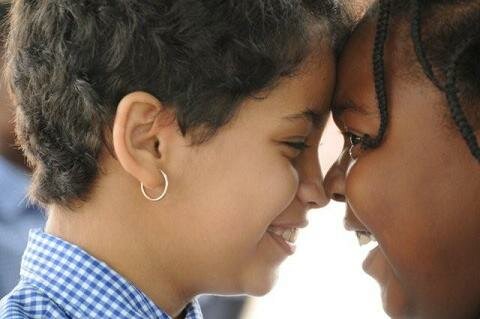
Posted August 21st, 2009 by Gena RotsteinInstallation celebrating childhood around the world to tell the same story and confirm a universal truth: We are all connected. This connection is where true and believable healing begins.
Read more »
- Gena Rotstein's blog
- Add new comment
Art as a Uniting Force and Voice for Change
Posted August 13th, 2009 by Gena RotsteinI wanted to post this a few weeks ago, but I am still learning how to edit and put video into a blog - so it's a little later than expected, but the message still resonates.
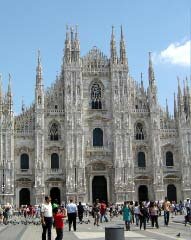 Italy has so many wonderful things to brag about: geography - the Piedmont is stunning; to the food - event in the Fast Food restaurants you can get a glass of wine; and the arts & culture scene - beyond David and the Uffizi there are free concerts and performances nightly. As someone who owns an art gallery - Gallery 213 - t
 he amount of FREE or next to free, access to various art and cultural experiences around the country is amazing.
My first introduction to the Italian Summer Music Festival scene was in Asti at an intimate performance by Roger McGuinn formerly from the Byrds. This is the first time I have posted a video to YouTube... Good thing I am not a film director! Read more »
What Do We Have in Common
Posted June 5th, 2008 by Gena Rotstein- Canadians
- community
- human venture
- humanity
I was just rereading a blog that I started a year ago when I drove across Canada. The blog is entitled What Do We Have in Common? I wanted to re-read what I wrote because I thought there might be some elements of my journey that can be applied to the work that I am doing as a philanthropic advisor.
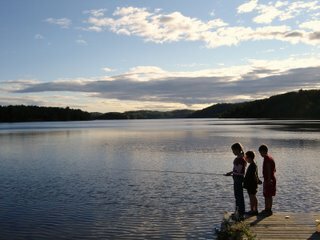
Photo taken outside Espanola, ON - July 2007
 It seems to me, whether we are giving $1Million or $10 to charity we are modeling a certain behaviour. Depending on how we choose to make that contribution we can engage lots of people or no-one in the action. What I did learn from my journey was that the pursuit of happiness is at the core of Canadian kind. That happiness is reflected in our children. We know that we are successful by how our children turn out and that success is something that we model for them. So, if we want our children to be charitable we have to model the actions and the processes that lead to philanthropic behaviours.
There's a quote by Carl Sagan that I have posted previously about what society would look like if we started teaching our children how to think and act like mensches (closest word I could think of was upstanding citizens) instead of bombarding them with messages on death, destruction, self-criticism and fear of the other.
How are each of us modeling charitable behaviour, and I don't mean just giving a cheque to an agency? Do we pass the beggar on the street without so much as an acknowledgment or do we take the time to at least smile in their direction (if we don't drop coins in the cup... a rule that I hold for my own charitable giving)? What kind of conversation do we have with our friends and family around these issues? Do we have those conversations?
I was out with sister Kim, and some friends last night and one woman, Andrea Silverstone the ED of Peer Support Services for Abused Women, said that she always makes sure she has change in her pocket to give to the guys who are outside her office on a daily basis. I asked why since that was enabling a certain type of behaviour. For her, charity isn't so much about making sure that the Drop-In Centre is functioning (though she does give to organizations like that). Philanthropy for Andrea includes modeling behaviour for her son. So, in addition to giving the coins to the beggar, she stops to ask how they are if there is something else she can do, she even (on occasion) acts as a referral agent for some of the shelters in the area. When her son sees this behaviour he too will know that there is more to charity than putting coins in a cup and that he can positively influence how society will be simply by following his mother's behaviour.
Society is built upon people and their ideas. If we all keep acting on the "ego" in us then we will be missing out on how, as a collective, we can shift the consciousness of society and bring about amazing change.
Okay - that's enough esoteric thinking for the day. Down to practical stuff - helping people give their money away strategically! Have a great day and thanks for reading!!!
- Gena Rotstein's blog
- Add new comment
Decision Makers: How are Charitable Dollars Allocated in Your Family?
Posted May 19th, 2008 by Gena Rotstein- charity
- community
- dollars
- family
- philanthropy
How do you discuss philanthropy and charity in your family? Growing up in mine the act of charity was never really discussed. It was done, but I think there were some opportunities lost in having an open dialogue with my parents around how they donate their money. Don't get me wrong, my family is very generous with their time and their financial resources, it was just never discussed.

One of my earliest childhood memories was putting loose change in what we call a pushke (Yiddish for coin box). Once the box was full we would take it to the community centre where the money would go to one of many Jewish charities.
As I got older, my own personal contributions to community broadened. Supporting organizations' internal capacity is just as important to me as supporting a specific project. As well, recognizing that my cultural community is only one part of a larger picture, my philanthropy is a representation of all the communities that I am actively engaged with. For a complete list of the charities and organizations that I support please click here.
As I have said in pervious posts, it is important to ask questions. Questions of the charity in which you are about to make a financial investment AND questions of you and your family as to how you want to make those donations. In the very first post of this blog I laid out a series of questions you should be asking yourself. Those questions were to get the ball rolling. Below are some more that you might want to ask yourself and your family as you delve deeper in to philanthropic investing.
Your Past:
What was your fist charitable donation? What was your first major donation (a dollar amount that you had to really think about)?
How did your family discuss charity in your house? Was it action based?
What has been your most important charitable investment? When did you make it? What made it important? Was it your most important charitable gift your largest?
How did you make your financial wealth? Has that influenced you in how you contribute back to your community?
Societal Influencers:
As someone who has financial resources, do you think it is your responsibility to support community initiatives?
How do you leverage your charitable dollars with your family, friends and colleagues? Do you?
Is it important to you that your contribution (whether time, money or professional expertise) be recognized publicly?
The Future:
If money were not an object, is there a project or organization you would invest in?
How do you think your charitable contributions are going to change over time? Are you speaking with your children about how you give and learning from them how they are contributing back to society?
For more in-depth questions I suggest you refer to Scott Fithian's book, Values-Based Estate Planning. Or stay tuned - I am sure that future blog postings will add another layer of questions!
- Gena Rotstein's blog
- Add new comment
A Statement of Society - Entertainment Spending Doubles that of Charitable Giving in 2006
Posted May 13th, 2008 by Gena Rotstein- budget
- charity
- community
- family
- philanthropy
- priorities
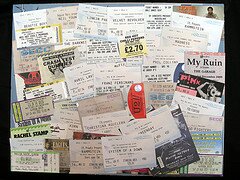 Photo Credit: Limowreck666 (flickr)
Did you know that in 2006 North American spent over $2,000 per person on entertainment and just over $1,000 per person on charitable activities?
I found this stat staggering. I recently returned from a trip to Ethiopia, where some of the world's poorest of the poor live. People are living on less than $1/day in hovels that we even our homeless would turn their noses up at.
Since returning something that I have been struggling with is the excess waste that we generate just from every day living. I don't mean pollution waste (though that is shocking and can easily be applied to this piece). I mean waste from leftover food that gets thrown out because we don't want to eat day-olds, to clothes that are from last season, to technology that has been outdated before it even leaves the store.
I think there is a need in our communities and society to strike a balance between our needs and our wants. I am not saying don't go to the summer blockbusters. I am just thinking that when our social safety net is being compromised because we are making choices to spend our money on the latest and greatest instead on what makes our communities strong and vibrant.
- Gena Rotstein's blog
- Add new comment
- 1
- 2
- next ›
- last »